

As buildings evolve and technology advances, the humble elevator, once a purely mechanical mode of vertical transport, is becoming part of a broader “smart building” ecosystem. One of the most visible signs of this shift is the growing adoption of touchless elevator buttons and sensor-based control panels. But upgrading the buttons is only part of the equation: to maximize the impact, the elevator cab’s interior must match this modern, hygienic interface with complementary finishes, lighting, and materials.
In this article, we examine why retrofitting elevators with touchless buttons is rapidly gaining popularity, explore best practices to integrate these upgrades into existing cabs, and show how a well-coordinated renovation, including walls, doors, ceilings, and flooring, can deliver a cohesive, future-proof interior.
Why Touchless Buttons Are More Than a Fad
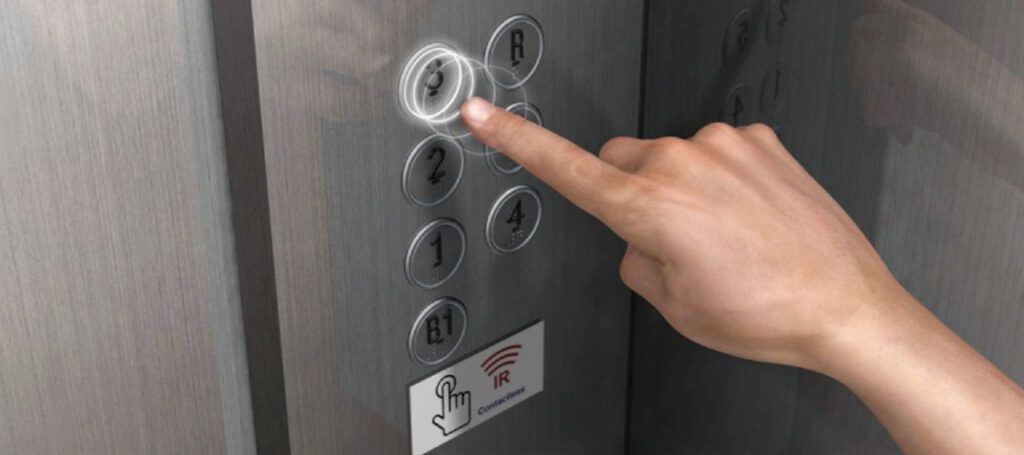
Recent years have seen a surge in demand for touchless elevator solutions, driven by hygiene concerns, user convenience, building modernity, and the push toward smart infrastructure.
Touchless elevators replace traditional push-buttons with systems that respond to gestures, motion sensors, voice commands, mobile apps, or proximity detection. This reduces physical contact, a seemingly minor change that has outsized impact in high-traffic or public buildings such as offices, multifamily residential towers, hospitals, and hotels.
Beyond hygiene, touchless controls also reduce mechanical wear (traditional buttons degrade over time through repeated pressing) and can extend the life of the control panel subsystem.
Given these advantages, many building owners view touchless buttons not as a luxury, but as part of a long-term investment in safety, convenience, and guest/resident satisfaction.
The Challenge of Mixed Aesthetics: Old Cab vs. New Buttons
Upgrading to touchless controls is often a retrofit challenge. Many existing elevator cabs were designed decades ago, featuring dated wall panels, metal finishes, older ceilings, flooring that doesn’t match modern aesthetics, even if the mechanical system works perfectly. Installing a sleek, futuristic touchless panel into a visually outdated cab can create an awkward mismatch.
Users may step into a cab where the buttons hint at “smart building,” but the interior screams “1990s.” This aesthetic dissonance can reduce the perceived value of the upgrade and disappoint tenants or guests expecting a coherent experience.
That’s why a holistic approach, where button upgrades are combined with interior renovation, creates a far stronger impression and longer-lasting satisfaction.
How to Align Cab Interior Design to Touchless Technology
To ensure harmony between touchless button systems and elevator interiors, consider the following best practices:
1. Match Finishes: Doors, Walls, Ceiling & Trim
If the building aesthetic is modern or minimalist, consider finishes that reflect that style. Options include:
- Matte or textured metal finishes (brushed steel, brushed aluminum): to match modern hardware and sensor-based panels
- Wood-grain or neutral matte wall panels: to soften the interior and create a warm environment
- Coordinated ceiling and trim finishes: to ensure that lighting and surface reflections remain consistent
Combining these elements helps ensure that the cab interior feels as modern as the controls.
2. Simplify Lighting and Reflectivity
Touchless elevator systems often rely on sensor technology and may be paired with updated LED lighting. Reflective, glossy metal surfaces can cause glare or interfere with sensor detection. By using matte or low-glare finishes on walls, doors, and ceilings, you reduce reflections and improve both aesthetic and functional performance, especially important in cab interiors where lighting is artificial and controlled.
3. Use Lightweight, Durable Materials for Flooring & Surfaces
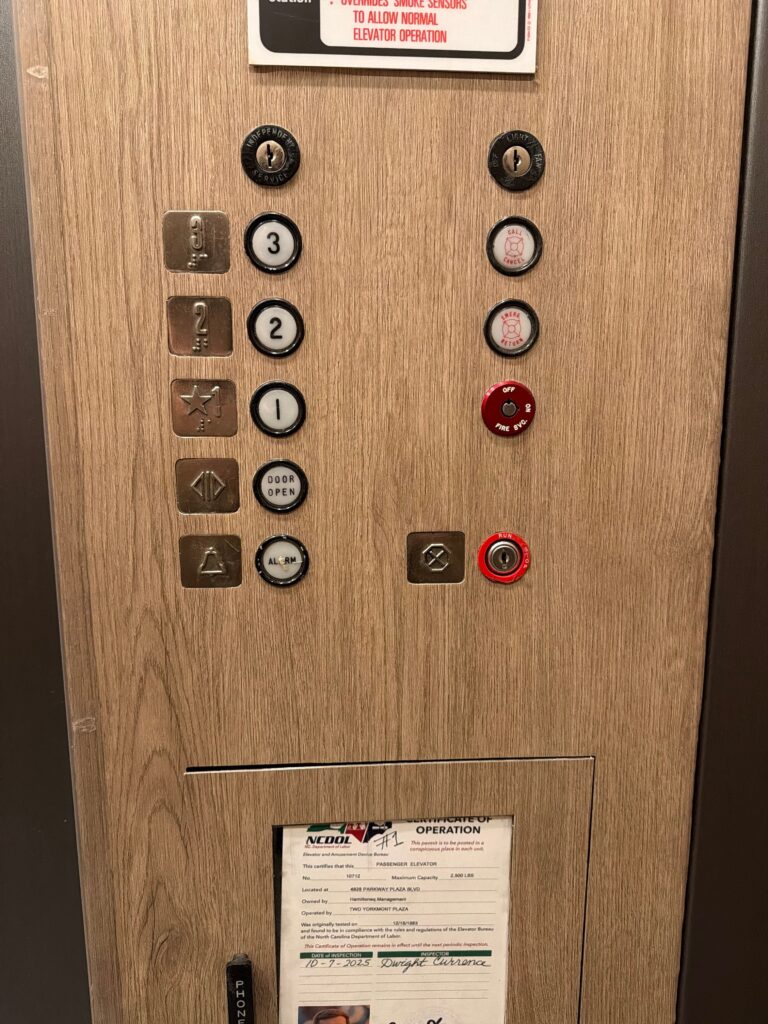
If you need to refresh flooring or wall panels, favor materials that are:
- Light enough to not overload the cab’s load limits
- Durable under heavy foot traffic
- Resistant to scuffs and easy to clean
Vinyl-based flooring, resilient tiles, or engineered finishes often offer the best trade-off between cost, durability, and ease of maintenance. This ensures that the cab’s overall look remains aligned even with heavy daily use.
4. Maintain Regulatory and Safety Standards
Whenever you retrofit controls or change finishes, make sure that materials comply with applicable fire, smoke, and safety regulations for elevators. Also ensure that new control systems integrate properly with the cab’s existing wiring and control logic, ideally handled by experienced elevator technicians and modernization professionals.
5. Plan for Minimal Downtime & Efficient Retrofit
One of the biggest advantages of touchless button retrofit is that many systems can be installed without major cab disassembly, meaning minimal service interruption. If paired with interior finish upgrades (wall, door, ceiling wraps or overlays), the work can often be completed quickly and with less disruption than a full cab replacement.
Case for Smart Elevator Upgrades: Hygiene, Convenience and Perception
Touchless elevator buttons are increasingly seen as a standard amenity in contemporary buildings. According to recent market analyses, the global smart touchless elevator button market reached billions in size in 2024 and is forecast to grow at double-digit annual growth rates over the next decade.
For building owners and property managers, this trend reflects both demand and growing expectation: tenants, guests, and users increasingly expect contactless interfaces, high safety standards, and modern finishes as part of their experience.
When paired with a thoughtfully renovated cab interior, with finishes, flooring, lighting and ceiling design that align with the upgraded controls, the result is a smart elevator look that feels intentional, modern, and high-end.
Integrating Touchless Buttons with Elevator Renovation: A Step-by-Step Approach
- Audit existing cab interior: assess wall panels, doors, ceiling, flooring, age, wear, material type.
- Choose a touchless system suitable for retrofit: motion sensor, proximity sensor, mobile-app-based or IoT-enabled.
- Define desired aesthetic: modern minimal, classic wood, corporate stainless, mixed materials, and decide which finishes (walls, doors, ceiling, flooring) will match.
- Select durable, code-compliant materials: ideally lightweight, impact-resistant, easy to clean, and compatible with existing cab structure.
- Plan installation logistics: schedule retrofit to minimize downtime (e.g. after hours, weekends); ensure wiring, sensors and finishes are installed simultaneously or in phased sequence.
- Test system integration and safety compliance: ensure sensors and controls function correctly; lighting and finishes don’t interfere with sensor detection; fire/safety codes remain respected.
- Maintain regular cleaning and inspection protocol: even with touchless systems and modern finishes, periodic maintenance ensures long-term durability and appearance.
Conclusion: A Unified Approach Drives Real Value
Upgrading an elevator’s control panel to touchless buttons is more than a technology update, it’s a shift in how people interact with vertical transportation in buildings. But a modern button panel alone cannot deliver the full benefit if the cab’s interior remains stuck in the past.
For property managers focused on delivering safe, hygienic, modern, and visually cohesive elevators, the smartest approach is a holistic renovation. Matching your old cab interior with new touchless controls, updated finishes, and thoughtful material selection creates a unified user experience, one that aligns with modern expectations and extends the lifecycle and value of the elevator cab.
If you manage facilities or buildings and are considering a touchless upgrade: evaluate not just the controls, but the complete environment, because the look and feel of the interior matter as much as the technology itself.