

Elevators are one of the most visible, and most abused, assets in a hotel. Guests may not remember the exact carpet pattern in a corridor, but they will remember scratched walls, dented panels, outdated finishes, or elevators that feel neglected.
For hotel owners and operators, the challenge is rarely about wanting to do elevator renovation. It is about timing, capital allocation, downtime, and ROI. Full elevator replacements are expensive, disruptive, and often misaligned with real operational priorities. On the other hand, ignoring deterioration creates brand risk, guest dissatisfaction, and long-term cost escalation.
This is where a third option becomes critical: elevator refresh and refinishing.
Most hotel elevator decisions fall into one of three paths:
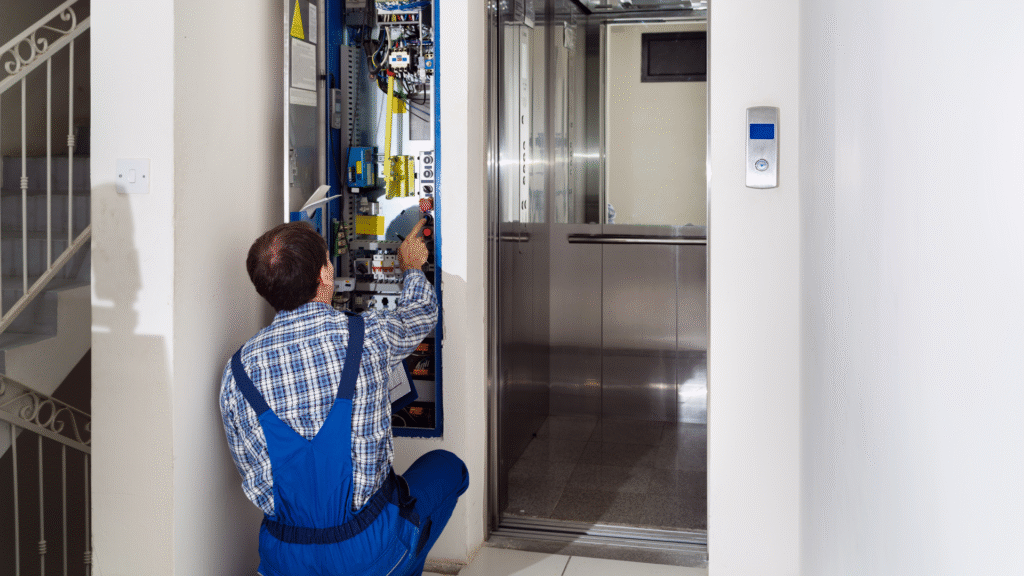
1. Full Replacement
A full elevator interior replacement can easily reach tens or hundreds of thousands of dollars per cab, depending on materials, scope, and compliance requirements. Beyond cost, replacement often involves:
- Longer downtime
- Permits and inspections
- Guest disruption
- Capital being pulled from higher-priority PIP items
According to the American Hotel & Lodging Association (AHLA), capital planning and asset lifecycle management are among the top operational challenges for hotel owners, especially in mid-scale and independent properties.
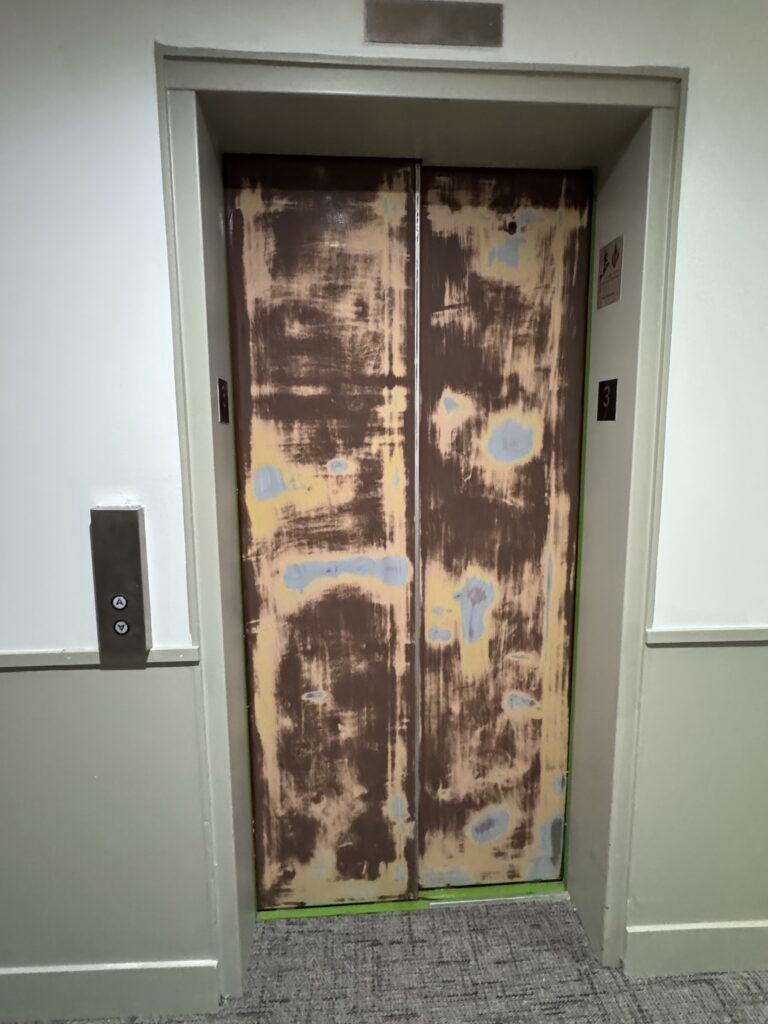
2. Ignoring the Problem
At the opposite extreme, some properties delay action entirely. This typically results in:
- Visible wear and tear
- Brand standard compliance issues
- Negative guest perception
- Higher long-term costs when damage compounds
In hospitality, perception equals value. Even when elevators are mechanically sound, poor aesthetics signal neglect.
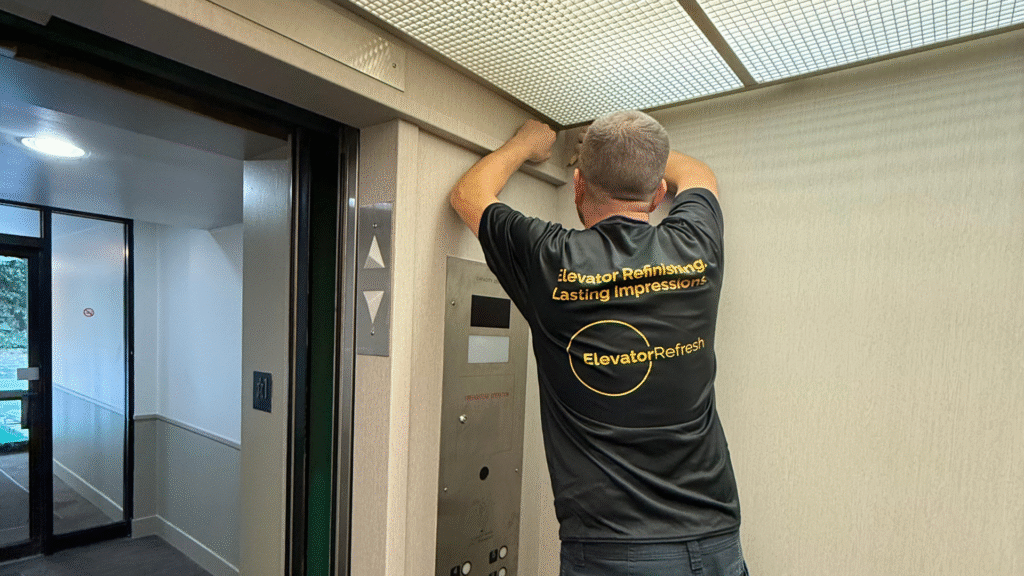
3. Elevator Renovation as a Strategic Middle Ground
Elevator refresh solutions, particularly refinishing with architectural film, offer a strategic alternative:
- Extend the life of existing elevator interiors by 3–5 years or more in best-case, well-managed environments
- Improve appearance quickly
- Avoid major shutdowns
- Preserve capital for other renovations
This “middle solution” is where Elevator Refresh positions itself.
Why Architectural Film Works for Hotels
Architectural films used in elevator refinishing are engineered for high-traffic commercial environments. When applied correctly and maintained as part of a planned asset strategy, they allow hotels to:
- Upgrade finishes without removing panels
- Achieve wood, metal, stone, or solid-color aesthetics
- Reduce material waste
- Shorten installation time dramatically
- Support a refresh lifecycle that can realistically deliver 3–5 years of extended service life, and in some cases longer, depending on traffic, usage, and maintenance practices
From a sustainability perspective, refinishing also aligns with ESG goals by reducing demolition waste, an increasing concern in hospitality development and renovation.
According to the World Green Building Council, extending the lifecycle of existing assets significantly reduces embodied carbon.
Budget-Conscious Doesn’t Mean Cheap: It Means Strategic
One misconception in hospitality is equating “budget-conscious” with “low quality.” In reality, hotel owners are making strategic financial decisions:
- Protect cash flow
- Phase renovations over time
- Maintain brand standards without overextending capital
In our experience working with hotel environments, elevator refresh projects are often implemented between PIP cycles, during ownership transitions, or as temporary upgrades while larger renovations are planned, specifically to buy an additional 3–5 years of functional and visual performance.
Elevator Refresh is not positioned as a permanent replacement for full renovations. It is positioned as a smart, intentional delay strategy.
Downtime Is the Real Cost Driver
Beyond material costs, elevator downtime creates:
- Guest inconvenience
- ADA compliance concerns
- Staff operational challenges
- Reputational risk
Minimizing downtime is critical, especially in limited-service and mid-scale hotels where elevator availability directly impacts guest satisfaction scores.
Architectural film installations can often be completed significantly faster than traditional rebuilds, reducing operational disruption while extending interior lifespan by multiple years rather than months.
Refresh as Part of a Long-Term Asset Strategy
The smartest hotel owners think in phases, not absolutes:
Refresh now → Replace later → Allocate capital where it matters most today
Elevator Refresh exists to support this phased mindset.
You don’t always need to replace.
You can’t always ignore.
Refresh is the strategy in between.