

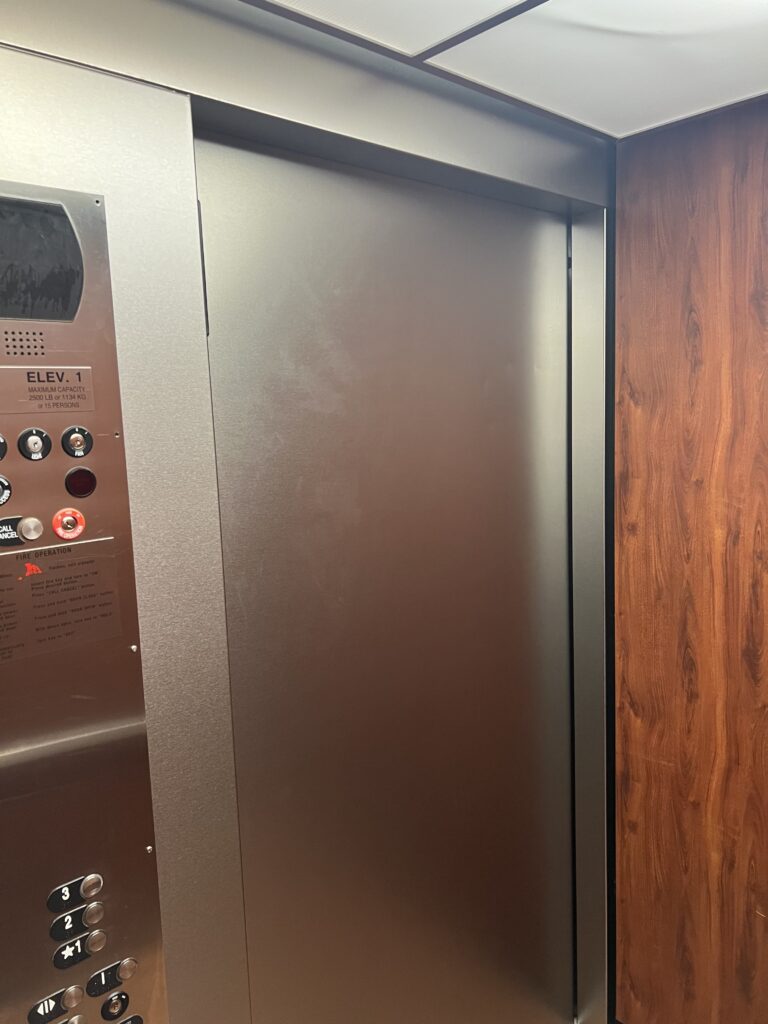
The hospitality industry is entering 2026 under growing pressure. Rising operating costs, tighter brand standards, aging assets, and increasingly demanding guests are converging at the same time. For many hotel elevators, often overlooked, are becoming a visible risk, not just a maintenance item.
What was once acceptable to postpone is now impacting guest satisfaction, brand compliance, and revenue.
In 2026, delaying elevator upgrades is no longer a neutral decision. It is a strategic gamble.
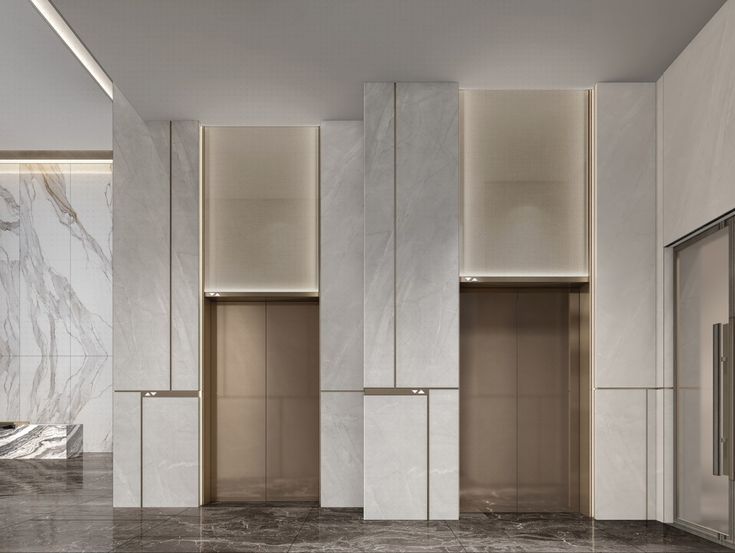
Rising Costs Are Shrinking the Margin for Delay
Hotel operating expenses continue to climb across North America. According to Statista, operating costs for hotels have increased steadily year over year, driven by labor shortages, maintenance inflation, and supply chain volatility.
At the same time, capital remains constrained. Interest rates, financing conditions, and insurance requirements are forcing hotel owners to prioritize where every dollar goes.
This creates a dangerous gap:
- Assets continue to age
- Capital upgrades are delayed
- Guest-facing deterioration becomes more visible
Elevators sit right at the center of this problem.
Guest Expectations Are Higher Than Ever
Post-pandemic travel has changed guest psychology. Travelers are:
- Less tolerant of visible neglect
- Faster to leave negative reviews
- More sensitive to cleanliness, condition, and functionality
According to J.D. Power’s North America Hotel Guest Satisfaction Index, issues related to common areas, including elevators, have a measurable impact on overall satisfaction scores and brand perception.
In 2026, elevators are no longer invisible infrastructure. They are part of the guest experience.
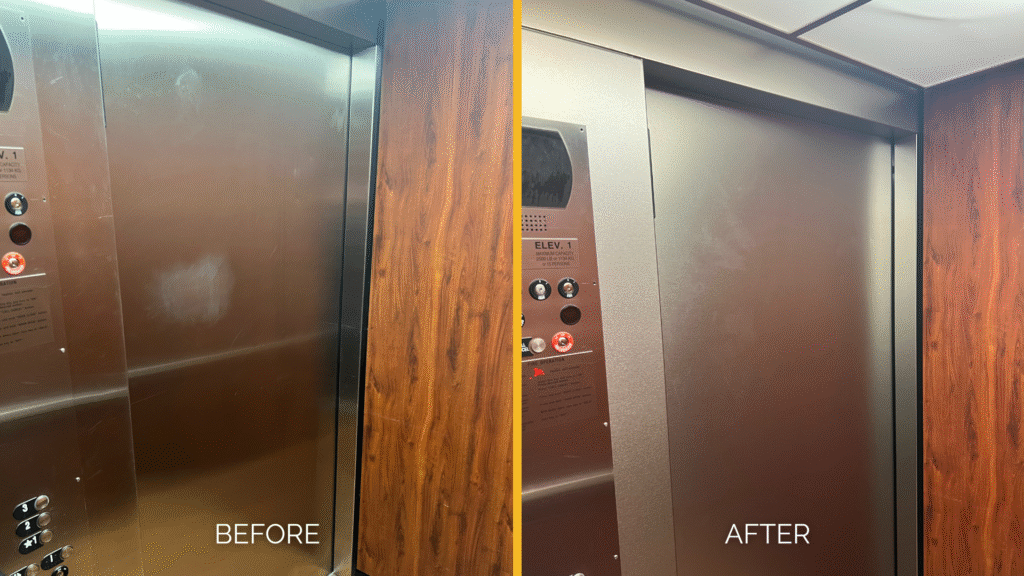
Brand Standards Are Tightening, Not Relaxing
Hotel brands are enforcing PIP (Property Improvement Plan) requirements more consistently as competition increases and new properties enter the market.
When elevators:
- Look dated
- Show excessive wear
- Fall out of aesthetic alignment with brand guidelines
Hotels face:
- Compliance risk
- Costly forced upgrades
- Reduced flexibility in renovation timing
The challenge is that many properties do not have the capital for full elevator replacements when PIPs come due.
The Downtime Problem No One Wants to Talk About
Full elevator renovations are not just expensive, they are disruptive.
For hotels, elevator shutdowns can mean:
- ADA accessibility challenges
- Guest complaints
- Operational bottlenecks
- Lost bookings in multi-story properties
In limited-service and mid-scale hotels especially, elevator downtime directly impacts occupancy and guest satisfaction.
In 2026, hotels are under pressure to renovate without stopping operations, a contradiction that traditional replacement methods struggle to solve.
Aging Assets Are Catching Up Faster Than Expected
Many hotels are operating with elevator interiors that are:
- 10–20+ years old
- Exposed to constant luggage cart traffic
- Subject to service wear that was never designed for modern usage patterns
The industry has historically treated elevators as “install once and forget” assets. That model no longer works.
Modern hospitality requires planned refresh cycles, not indefinite postponement.
The Shift Happening in 2026 for Hotel Elevators: Refresh Instead of Replace
Across hospitality projects, a clear trend is emerging:
Hotels are adopting phased renovation strategies instead of all-or-nothing upgrades.
Elevator refresh and refinishing solutions, especially using architectural film, are increasingly used to:
- Extend asset life
- Improve appearance quickly
- Stay operational
- Delay major capital expenditures strategically
Rather than choosing between full replacement or neglect, hotels are choosing a third path.
Why “Buying Time” Is Becoming a Competitive Advantage
In 2026, flexibility is power.
Buying time allows hotels to:
- Reallocate capital to higher-ROI areas (guest rooms, lobby, F&B)
- Align elevator upgrades with future financing
- Avoid rushed, reactive renovations
- Maintain brand standards without overextending budgets
Elevator Refresh exists to support this exact moment in the hospitality lifecycle.
Not as a permanent shortcut.
But as a controlled, intentional strategy.
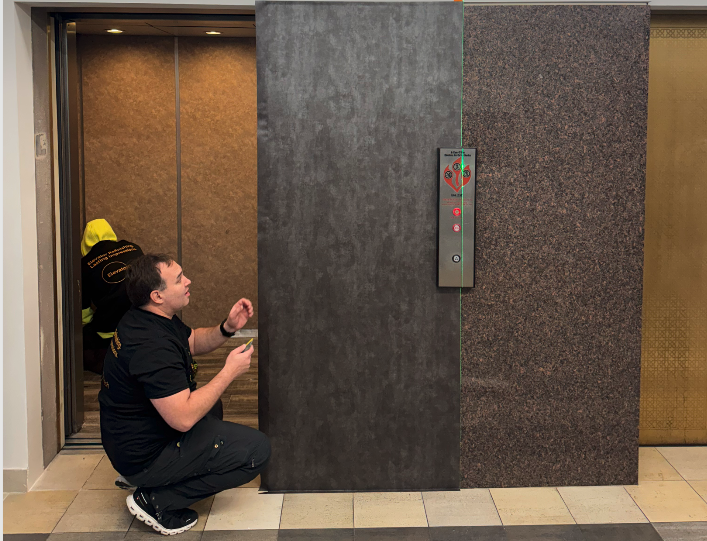
Hotel Elevators Will Get Beat Up: Planning for It Is Smarter Than Ignoring It
The industry often overmarkets elevator finishes as flawless and permanent. Reality says otherwise.
Elevators:
- Carry service carts
- Absorb daily impacts
- Experience unavoidable wear
In 2026, hotels that plan for wear, rather than pretending it won’t happen, will control costs more effectively.
Architectural film supports this mindset because it is:
- Replaceable
- Repairable
- Designed for lifecycle management
Wear is not failure.
Unplanned wear is.
2026 Is a Decision Year for Hotel Elevators
The convergence of:
- Rising costs
- Stricter brand enforcement
- Higher guest expectations
- Aging assets
Means hotels can no longer afford to postpone elevator decisions indefinitely.
The question is no longer if action is needed, but how and when.
If you are planning hotel upgrades for 2026, elevators should be part of that conversation now, not later.
Before committing to a full replacement or risking brand and guest perception, explore how an elevator refresh strategy can help you stay compliant, operational, and financially flexible.
Visit Elevator Refresh to learn how hotels are using refinishing solutions to buy time, reduce disruption, and make smarter renovation decisions in 2026.
Act early. Plan strategically. Stay ahead.