

Multifamily elevators are among the most heavily used assets in any residential building.From move-ins and move-outs to daily service traffic, these high-traffic environments cause elevator interiors to show wear long before other building finishes.
In Nashville, Tennessee, a multifamily building faced exactly this challenge. Two elevator cabs with a total of 14 heavily damaged black panels no longer reflected the quality of the property, despite the elevators functioning properly.
Replacing the panels in Nashville was an option, but not the right one.
Understanding the Real Pain Points
The building’s ownership and management team identified three core issues:
- Cost
Replacing multiple elevator panels would require significant capital investment with limited ROI. - Downtime
Panel replacement would require extended elevator shutdowns, disrupting residents and operations. - Durability
Any new solution needed to withstand real-world use, not just look good on day one.
These pain points led to a reassessment of the renovation strategy.
Why Refreshing a Multifamily Elevator Made More Sense Than Replacing
Instead of removing and replacing the damaged panels, the building opted to refinish the existing surfaces using architectural film, specifically designed for high-impact environments.
This approach allowed the team to:
- Avoid demolition
- Reduce installation time
- Control costs
- Keep elevators operational
Most importantly, it aligned with how elevators are actually used in multifamily buildings.
Material Selection: Dackor Rhino – Rock Concrete
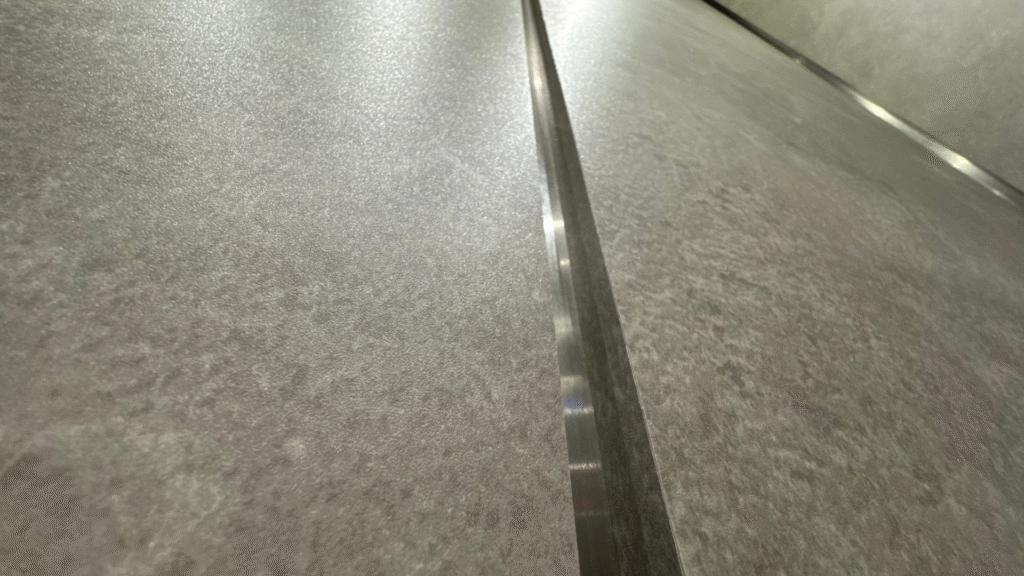
For this project, the selected finish was Dackor Rhino – Rock Concrete, a pattern chosen for both aesthetic and performance reasons.
Rock Concrete offers:
- An industrial, modern appearance
- High durability and impact resistance
- A texture that hides wear better over time
- Compatibility with future refresh cycles
Concrete-inspired finishes are increasingly popular in multifamily design, particularly in urban markets like Nashville where industrial-modern aesthetics resonate strongly with residents.
Phased Installation: One Cab at a Time
The renovation was executed one cab at a time, ensuring:
- Continuous elevator access
- Reduced resident complaints
- Predictable scheduling
This phased approach is becoming standard practice in occupied multifamily renovations.
Results That Matter
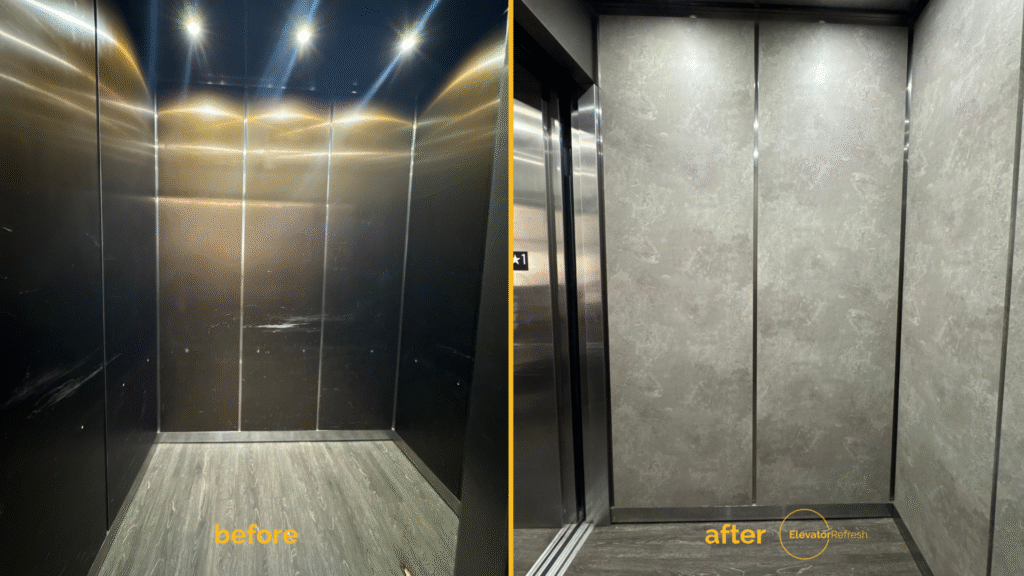
While exact results vary by building, outcomes from this project were consistent with similar elevator refresh installations:
- Approximately 55% reduction in renovation timeline compared to traditional panel replacement
- Minimal tenant disruption due to phased installation
- Significant cost savings versus full replacement
- Extended service life of elevator interiors by 3–5 years, depending on traffic and maintenance
For ownership, this meant solving an immediate problem without locking into a premature capital expense.
Planning for Wear Instead of Fighting It
One of the most important lessons from this project is a mindset shift.
Elevators are not static design features. They are functional assets that will experience wear.
The question is not how to prevent wear indefinitely, but how to:
- Plan for it
- Manage it
- Refresh it strategically
Architectural film supports this lifecycle-based approach by allowing repairs, updates, and refreshes without starting from scratch.
The Bigger Picture: Lifecycle Thinking in Multifamily Assets
Multifamily owners are increasingly moving away from “install once and forget” models.
Instead, they are adopting:
- Planned refresh cycles
- Predictable maintenance strategies
- Phased capital planning
Elevator Refresh exists to support this shift, providing solutions designed for real-world usage, not idealized conditions.
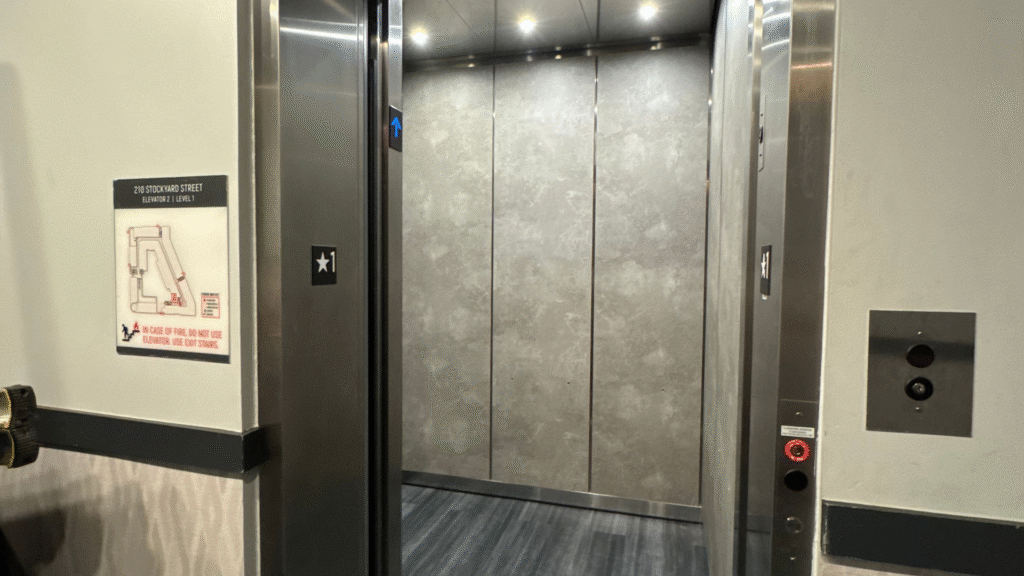
Key Takeaways for Multifamily Owners
- Wear and tear in elevators is inevitable
- Replacement is not always the most efficient solution
- Refreshing damaged panels can extend asset life by 3–5 years or more
- Phased renovations reduce disruption and risk
- Durable materials matter more than perfect finishes
Dealing with worn elevator interiors in an occupied building?
Before committing to full replacement, or accepting visible deterioration, explore how elevator refresh solutions can help you control costs, minimize disruption, and extend asset life.
Visit our services page to learn how architectural film refinishing supports smarter multifamily renovation strategies.