

When we think of “biophilic design,” we often imagine airy offices with floor-to-ceiling windows, green walls, or natural light flooding interior spaces. But the principles of biophilia, our innate need to connect with nature, aren’t limited to homes or offices. Elevators, often small and utilitarian, can also benefit from a touch of nature: by integrating natural textures like wood and stone into their interiors, we can make these transient spaces feel more calming, human, and pleasant.
And here’s the best part: you don’t need costly marble slabs or heavy hardwood panels. With modern lightweight materials and smart finishing techniques, you can achieve a biophilic vibe without compromising weight limits, safety, or budget.
Why Biophilic Design Matters Even in Elevators
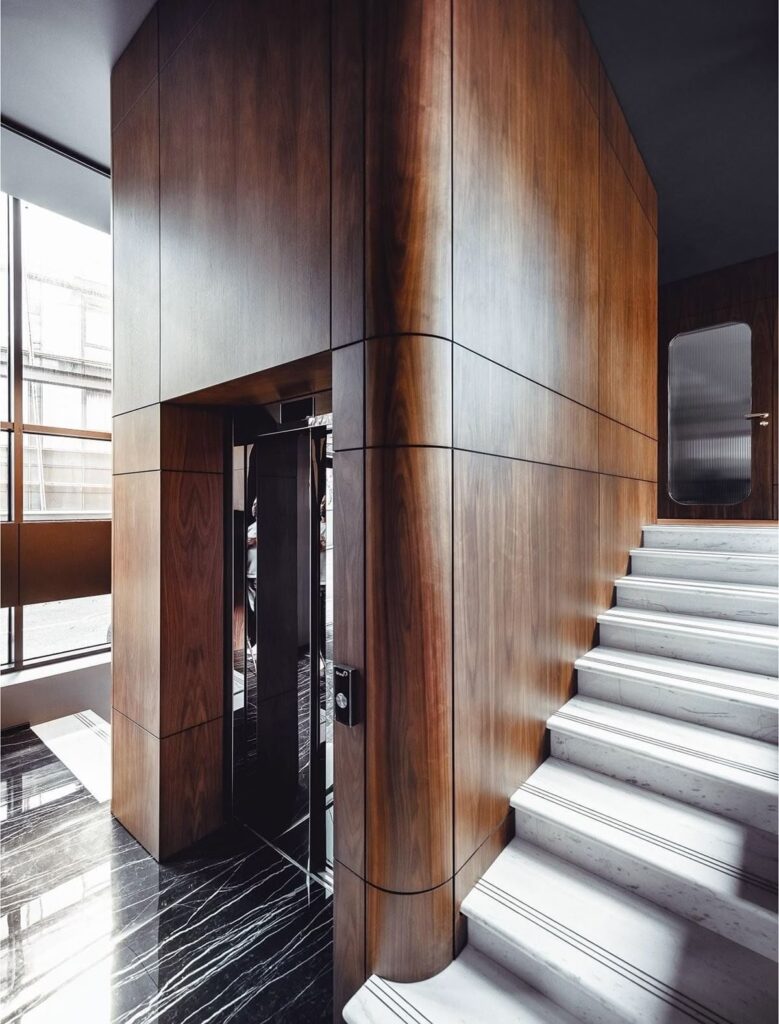
The concept of biophilic design has gained wide acceptance across architecture and interior design. Researchers and designers agree: integrating natural elements, real or symbolic, into built environments can significantly impact human well-being.
Some documented benefits include:
- Lower stress and anxiety, better mood and mental clarity.
- Improved comfort and perceived connection with nature, even in fully indoor spaces.
- Enhanced sense of place and aesthetic warmth, factors that matter in residential buildings, hotels, or mixed-use properties aiming for higher occupant satisfaction.
An elevator interior wrapped in wood-grain panels and stone textures becomes more than a vertical transport box, it becomes part of the building’s overall “homey” or “luxury” experience. That emotional and psychological uplift is often underestimated.
The Problem with Traditional Elevator Interiors
Most older elevators rely on stainless steel, painted metal, or plain synthetic panels, materials chosen for durability, fire code compliance, and ease of maintenance. However:
- Polished metal and glossy surfaces feel cold and industrial.
- They can appear sterile, uninviting, and out of sync with modern interior design trends.
- Real wood or stone installations tend to be heavy, expensive, and often require structural reinforcement or prolonged downtime during installation.
For property managers, these trade-offs, cost, weight, complexity, often discourage natural-material upgrades. But new technologies and smarter material choices offer a better path.
A Practical Alternative: Lightweight Wood & Stone Textures for Cabs
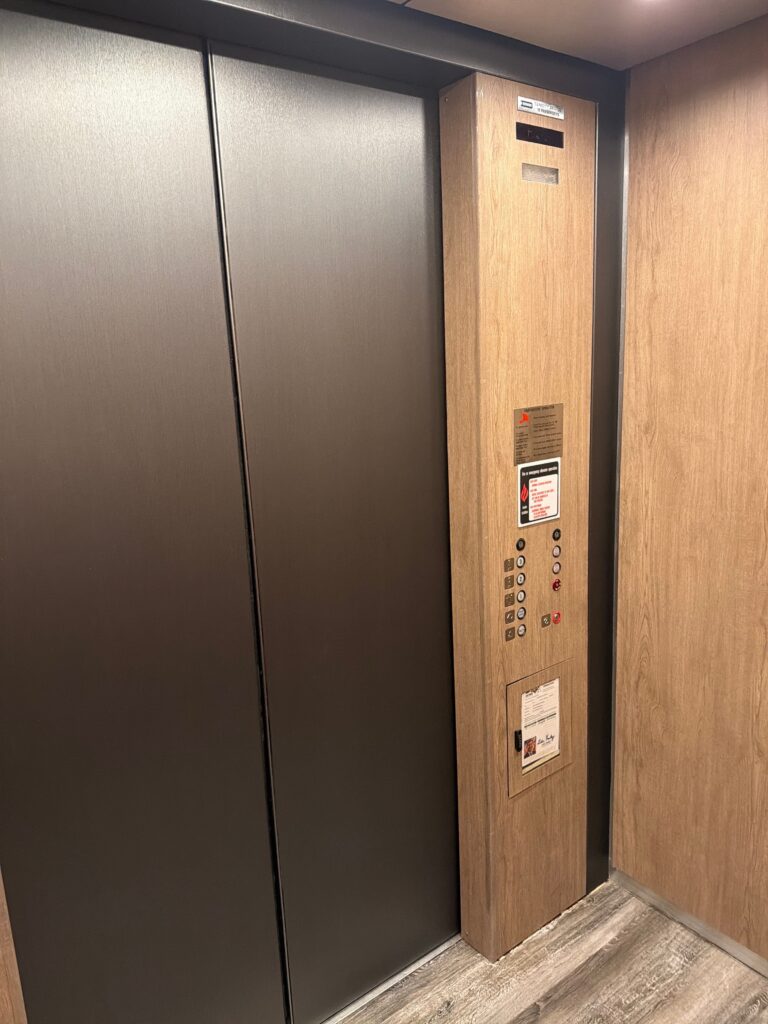
Thanks to advancements in interior finishing, using decorative laminates, engineered veneers, vinyl wraps, and lightweight composite panels, it’s now feasible to bring wood and stone aesthetics into elevator cabs without the drawbacks of natural materials.
What this looks like in practice
- Wood-grain textured wall panels: These deliver the warmth, pattern, and tactile appeal of wood, but are much lighter and often come pre-finished to meet fire, durability, and maintenance requirements. (Check our latest blog: Why Wood, Metal & Stone Are the Future of Elevator Renovation)
- Stone-look finishes for flooring or trim: Instead of heavy natural stone, modern engineered stone-look vinyl or composite panels offer similar visuals with far less weight and easier installation.
- Combined finishes: Pairing wood-grain walls with stone-like flooring and subtle metal trims creates a balanced, natural-inspired cabin, without overburdening the cab structure or blowing the renovation budget.
This approach stays aligned with the core principles of biophilic design: using natural materials and textures to evoke a connection to nature while maintaining practicality.
What You Gain: Mood, Experience & Value
Integrating wood and stone textures into an elevator interior isn’t just an aesthetic upgrade, it’s an enhancement of the user experience:
- Comfort and calmness: A textured, warm-surfaced interior feels more natural and soothing than cold metal, subtly improving every ride.
- Perceived quality and building prestige: For residents, tenants, or visitors, a natural-inspired cab signals care, attention to detail, and premium positioning.
- Consistent design language: Matching elevator finishes with lobby or common-area flooring (using similar textures) ensures a seamless visual flow in the building.
- Longevity and maintainability: Modern laminated or composite finishes are often more resistant to scratches, wear, and moisture than untreated wood or porous stone, meaning less maintenance and longer-lasting appearance.
These non-tangible benefits , improved occupant satisfaction, perceived property value, and consistent building identity, can be just as important as cost savings.
Why Biophilic Elevator Interiors Are Smart for the Future
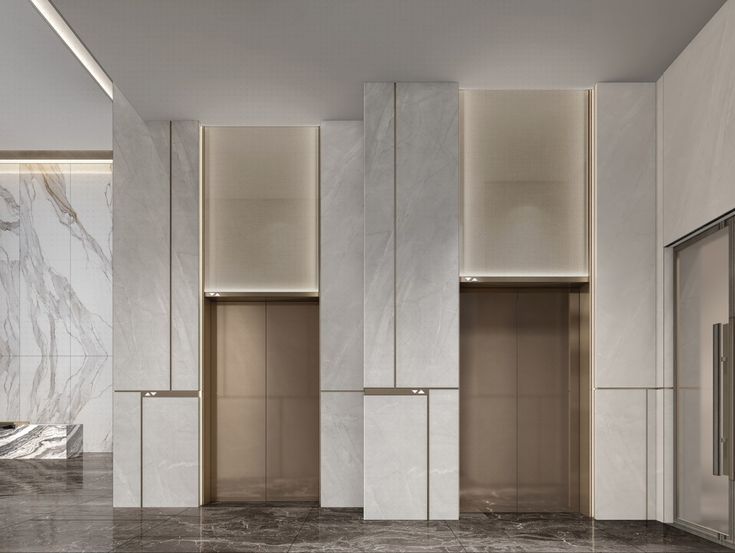
As people spend increasingly more time indoors, the importance of creating environments that support well-being, even in small spaces like elevators, grows. Biophilic design delivers tangible emotional, psychological, and aesthetic benefits.
For property managers and developers looking to:
- Differentiate their property
- Improve resident or tenant satisfaction
- Add value without heavy structural works
- Align with sustainable building practices
A biophilic elevator renovation offers a smart return on investment.
Ready to explore bringing natural textures into your elevator cab? Contact Elevator Refresh to learn how we can help you implement wood- and stone-inspired finishes, cost-effectively, safely and with minimal downtime.